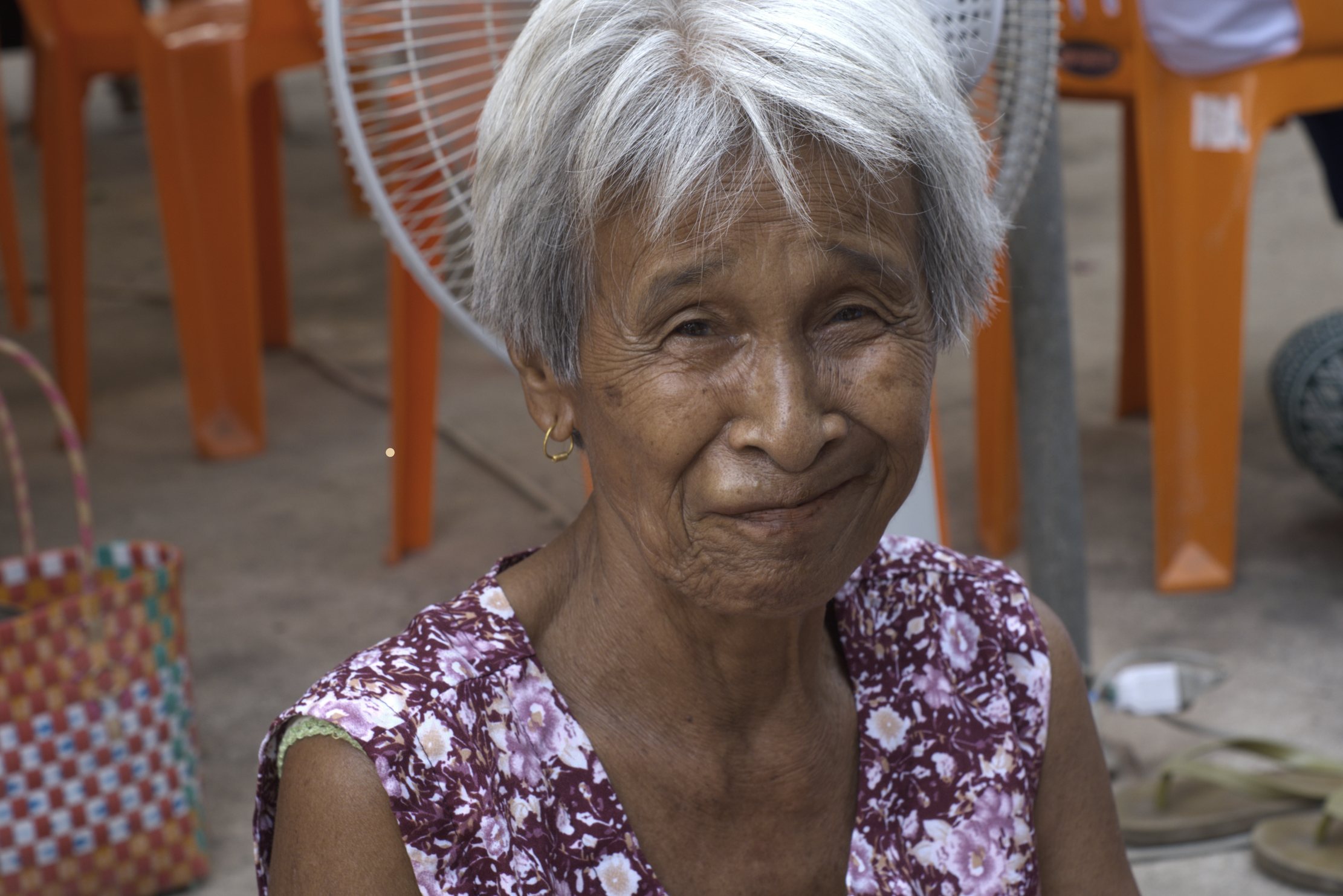
Newsletter Vol. 000
Meet Mun Somphet
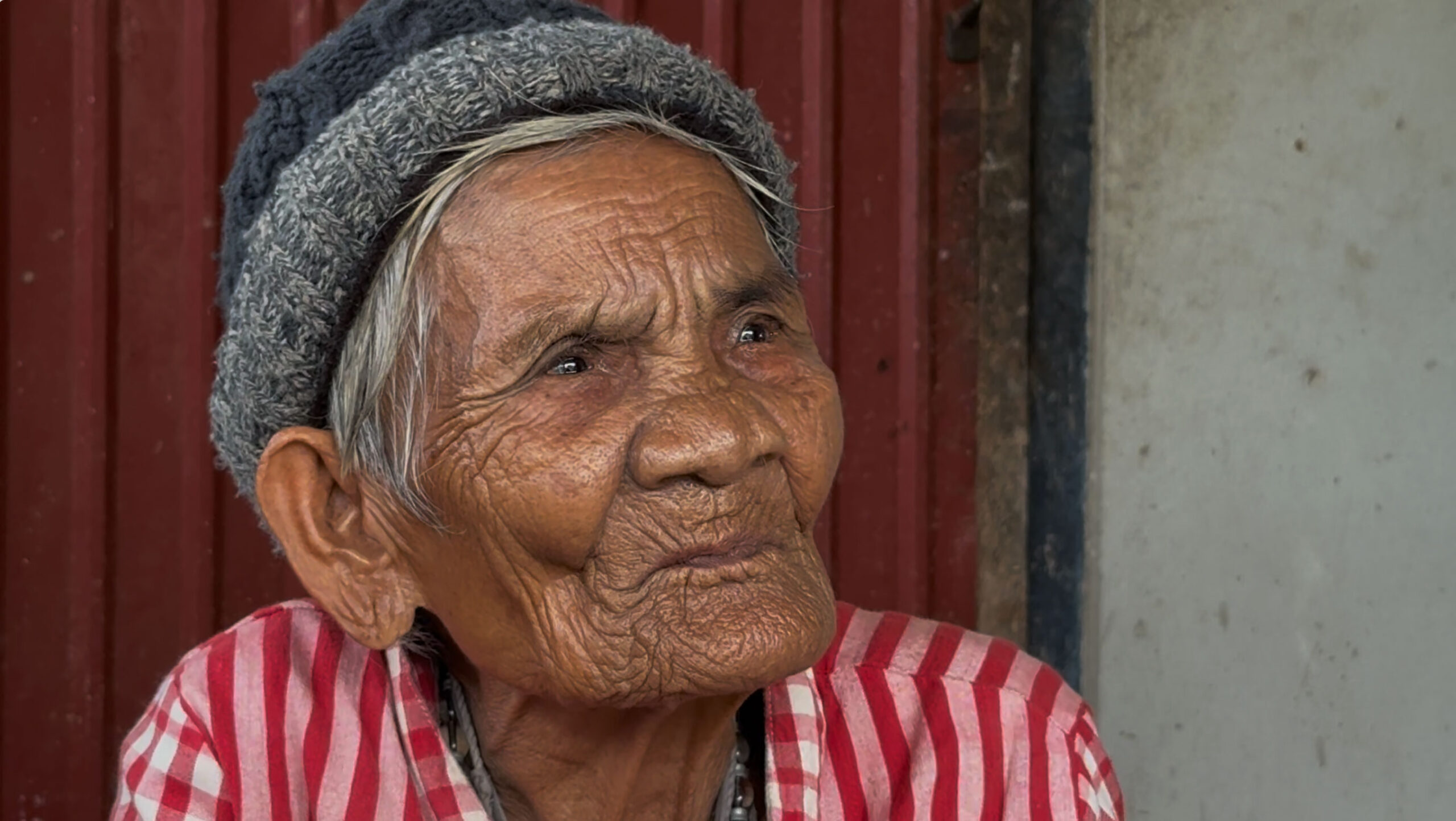
Mun
Long before this village was known as Ban Non Thong Lang, Mun Somphet was farming cassava and tending cattle on the same patch of earth where she was born, and that she still calls home today.
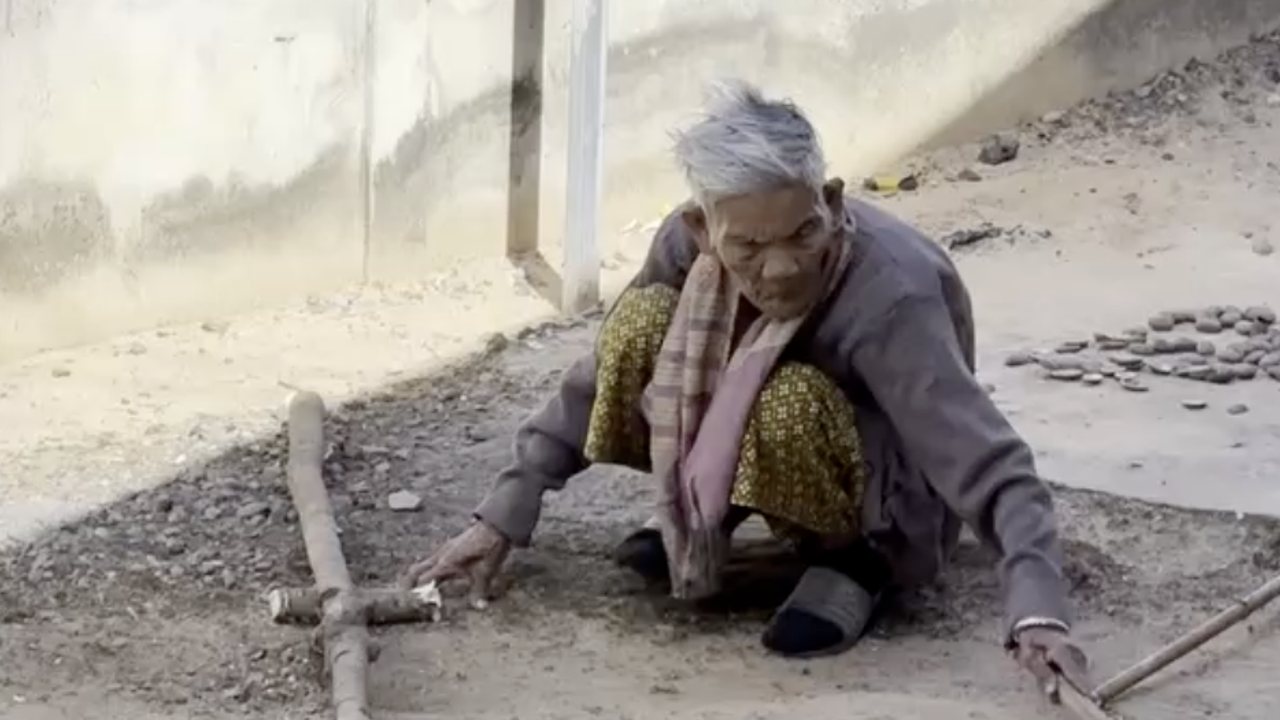
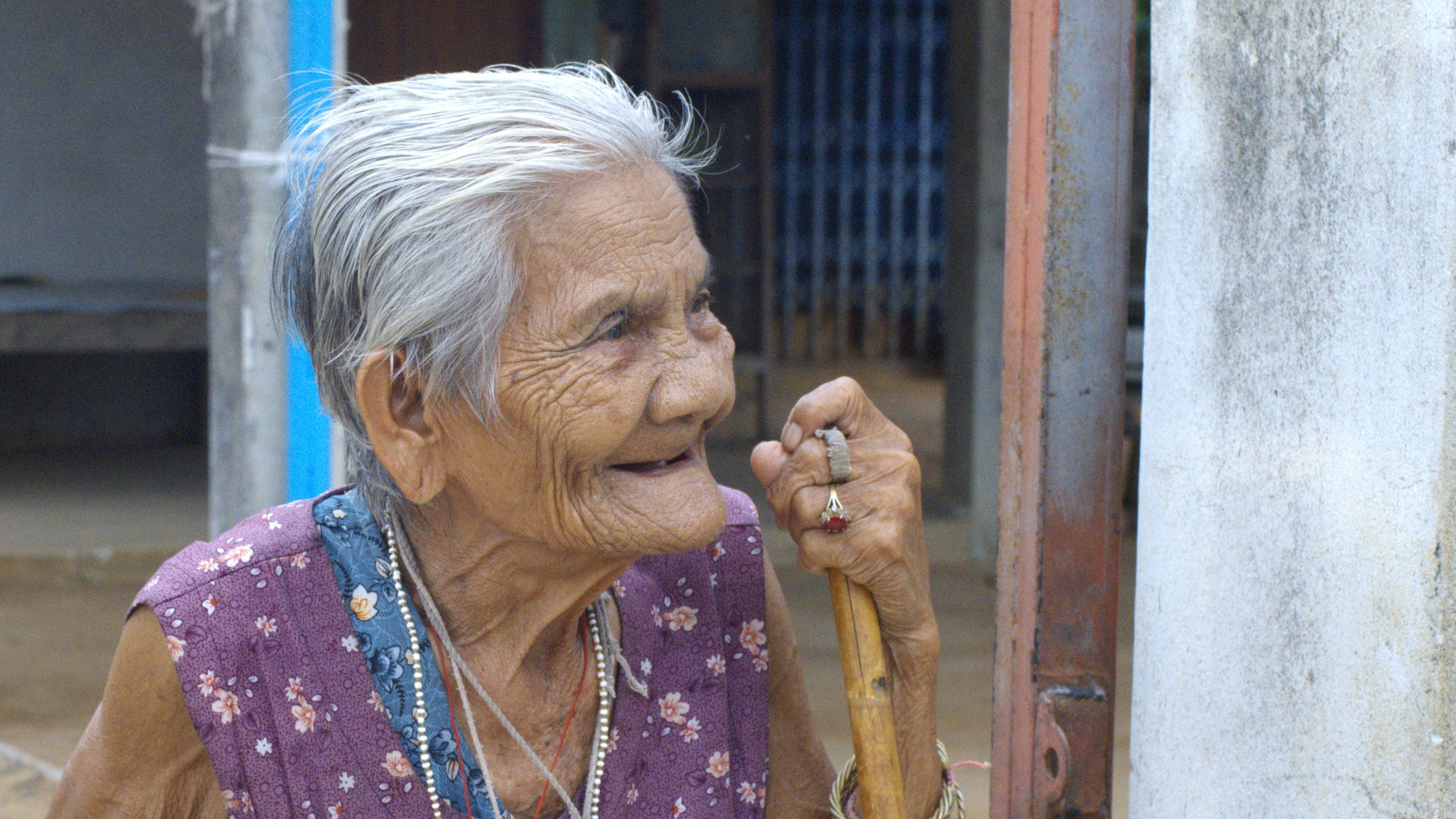
At ninety-seven, she remains one of the village’s quiet fixtures. Every morning, just after sunrise, she emerges into her yard with a walking stick in one hand and a bundle of dried branches in the other. The walk is deliberate but familiar, a route she has traveled thousands of times. By the time she reaches the corner of the yard, a small pile of limbs has accumulated beside her chopping block.
There she goes to work.
With a heavy cleaver and a practiced rhythm, she cuts each branch into manageable lengths before splitting them into firewood. Some pieces are divided again for kindling. Nearby, her cat watches from the dirt, seemingly unconcerned by the sharp crack of steel against wood.
Before long, a small fire is burning.
Mun settles beside it, feeding the flames with dried grass, twigs, and bits of brush gathered from around the yard. The smoke drifts through the village, announcing the start of another day.
My wife and I often wake to the sound of her chopping wood or the smell of wood smoke drifting through the morning air. It has become our signal to rise, make the bed, pour coffee, and step onto the porch. Watching Mun already at work, tending her fire as she has for decades, is one of the best parts of my day.
Rain or shine, she can be found somewhere in her yard sweeping, gathering, trimming, stacking, or simply putting things in order. Her home is among the most meticulously cared-for in the village, though I suspect she has never once thought of it that way. To Mun, these are not accomplishments. They are simply the things that need doing today, just as they needed doing yesterday.
At ninety-seven, a fact she happily shares with anyone willing to listen, she shows no signs of slowing down.
And tomorrow morning, as the sun rises over the rice fields, there is every reason to believe she will be out there again, walking stick in hand, gathering wood for another fire.
Support
The Border Dispatch
For as Little as $1
If you are enjoying the newsletter and you’d like to support future dispatches, books, and field work, you can do so here for as little as $1.
Editors Note
For many years now, I’ve crossed a lot of thresholds. Some were real. Some only seemed important at the time. Along the way, much of what the world quietly accumulates around us has fallen away.
What remains is a deep sense of curiosity.
When I arrived in this small village on the Thai-Cambodia frontier, I had no idea where the road would lead. In many ways, I still don’t. But the one thing that hasn’t faded since landing is the sense of wonder. Nearly every day I encounter something that stops me in my tracks: a ritual, a conversation, a sound drifting through the trees before sunrise, a face lined with nearly a century of stories.
More often than not, my first thought is the same.
I wish Mom could see this.
I wish Kathy could hear this.
I wish I could somehow share what it feels like to be here.
That simple impulse eventually became The Border Dispatch.
The publication you are holding has gone through many forms over the past eighteen months. It began as notes, then essays, then photographs, then something closer to a field journal. Eventually it settled into what you see here: a collection of stories, images, sounds, and observations gathered from daily life along the border.
This first volume has been a long time in the making. It took me more than fifty years to arrive at the place where it could exist, and I didn’t even know I was headed here.
I’m grateful you’re along for the journey.
Welcome to The Border Dispatch.
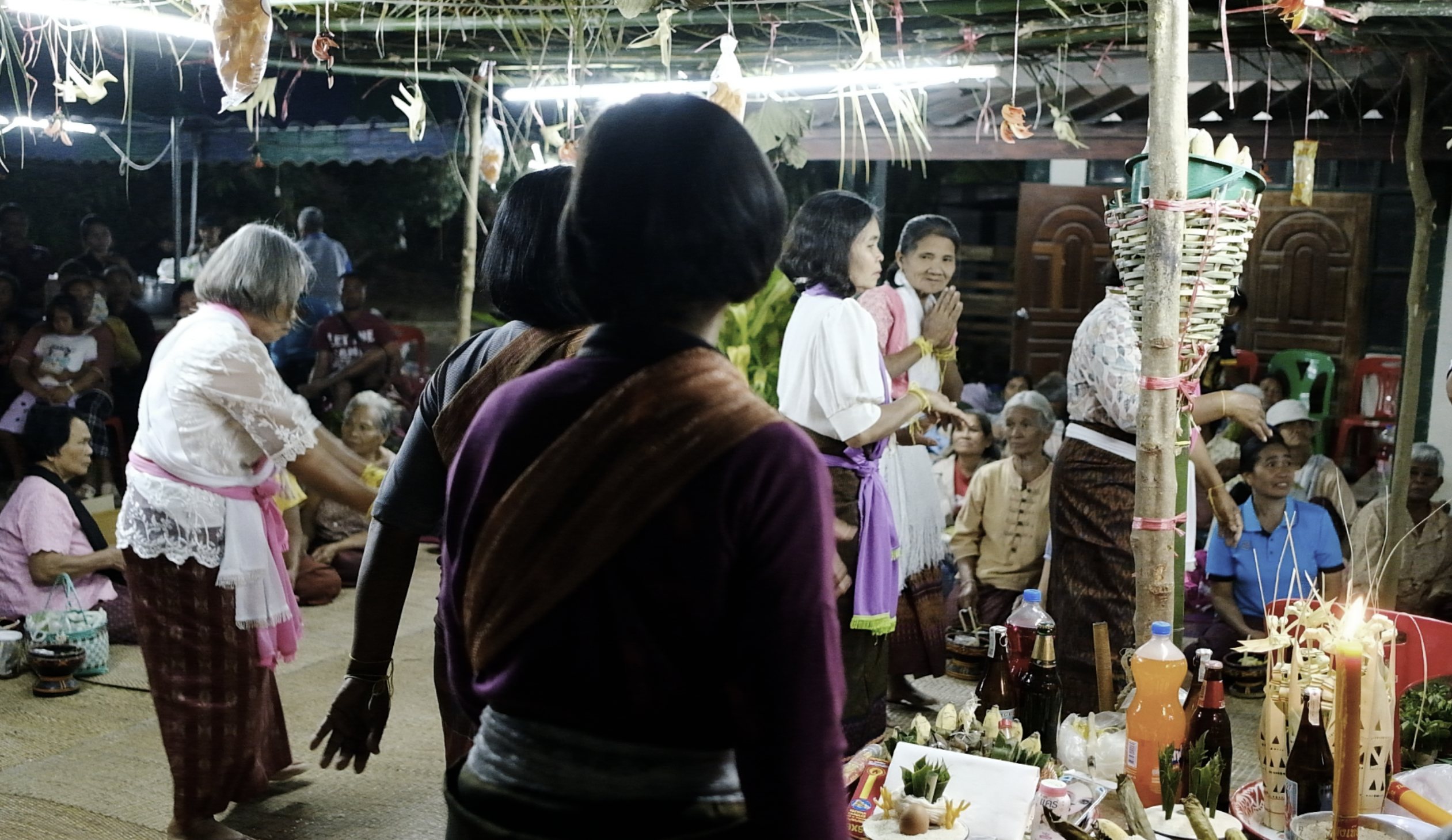
Real Audio From Village Healing Ritual
SUBSCRIBER EXCLUSIVE
The Mob Called, A Short Story.
This week use discount code DISPATCH at checkout to save $1 on either paperback or instant download.

Betel Chewing
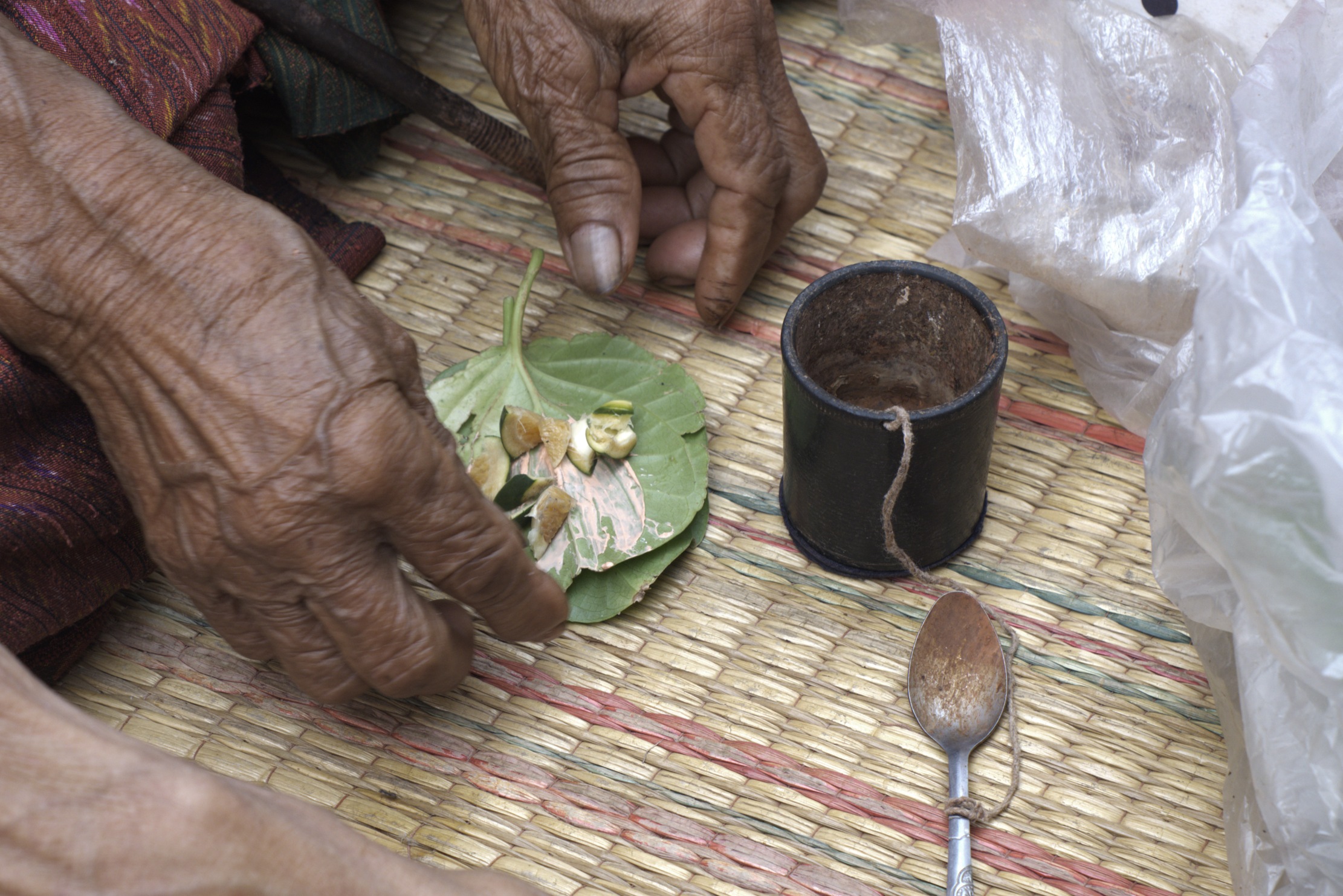
Betel chewing – especially among elders – is alive and well in rural Thailand, a custom that has all but faded outside the villages.
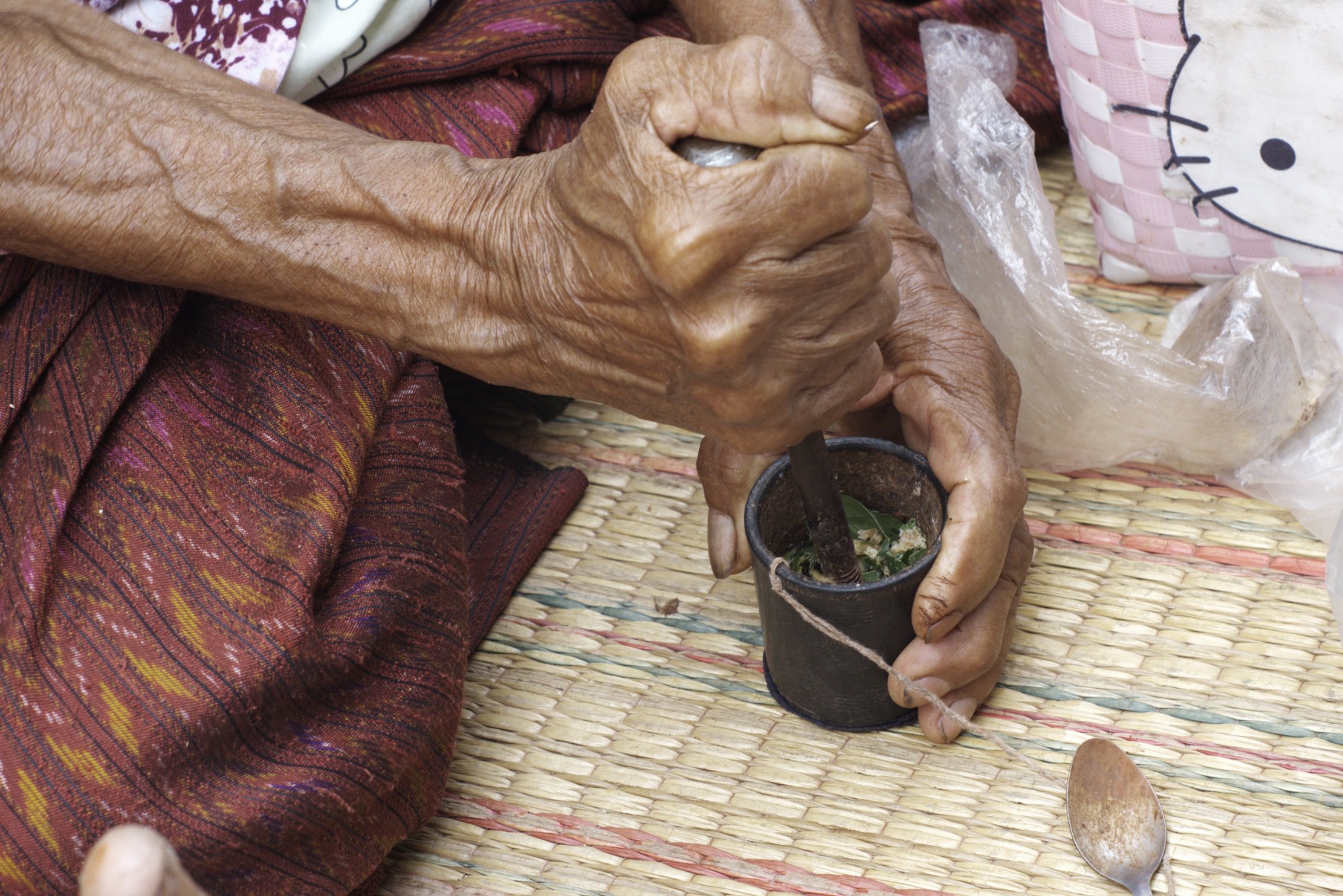
Pounding the ingredients to prepare a quid for chewing.
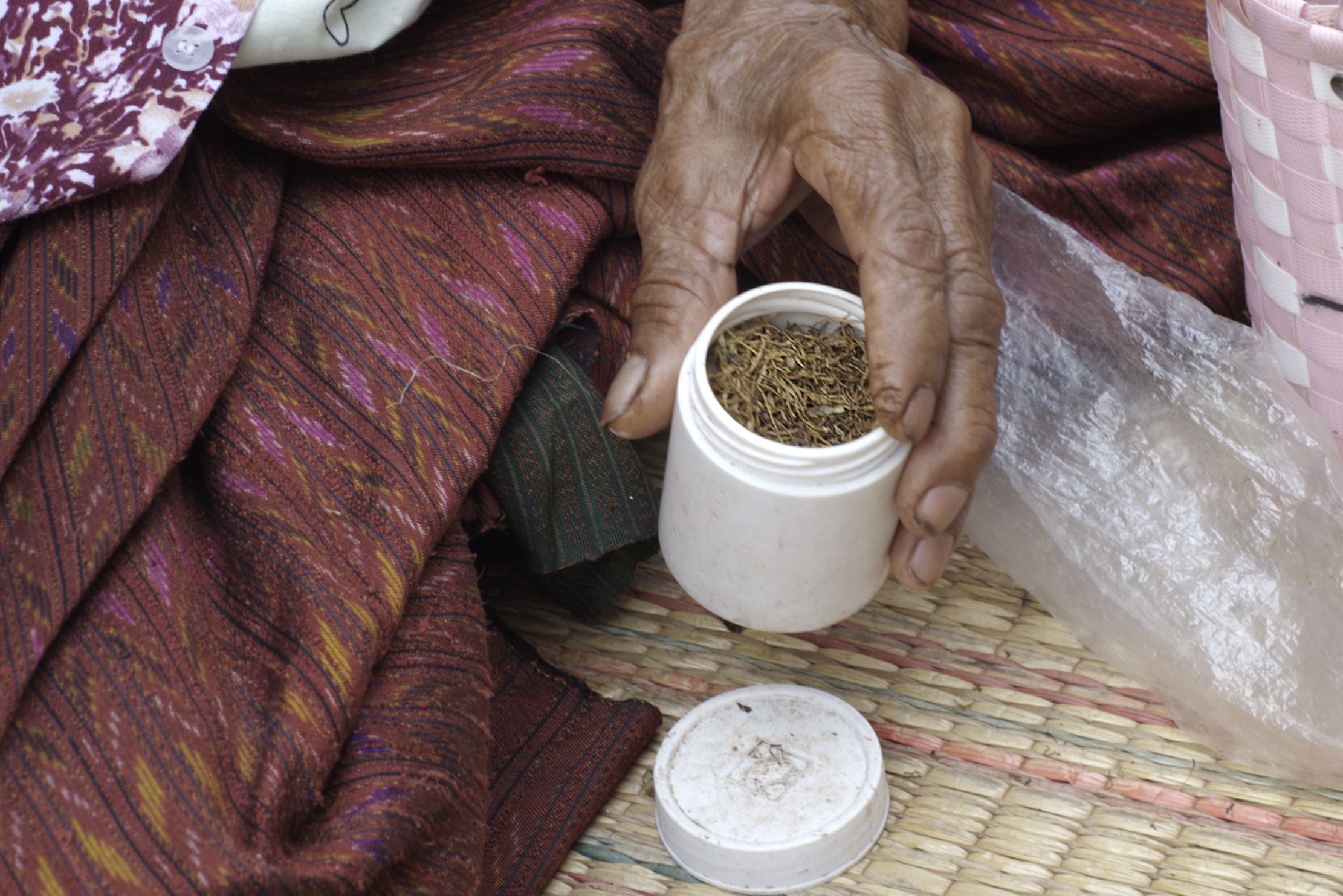
Sometimes they’ll add tobacco to the betel leaf, areca nut and slaked lime.
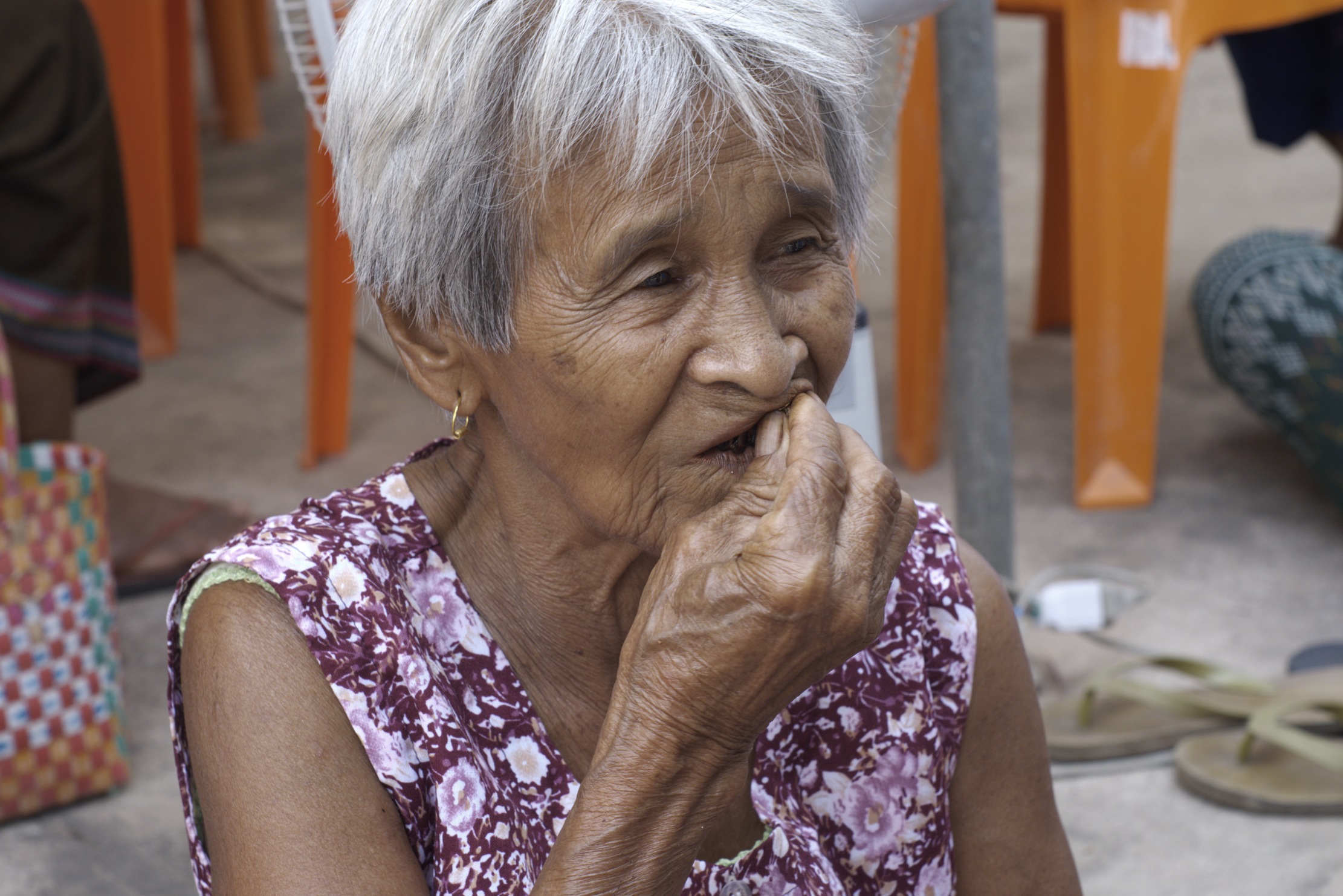
Groups of women can be seen sitting together at gatherings chewing betel much like other people might meet for a drink – as a matter of friendship and culture.
Simple joy.