In honor of Her Royal Highness Princess Bajrakitiyabha Narendiradebyavati | 1978 – 2026
Photo: Royal Household Bureau
Rubber Season Is In Full Swing
The Global Rubber Supply Chain Starts Here
by William Snyder
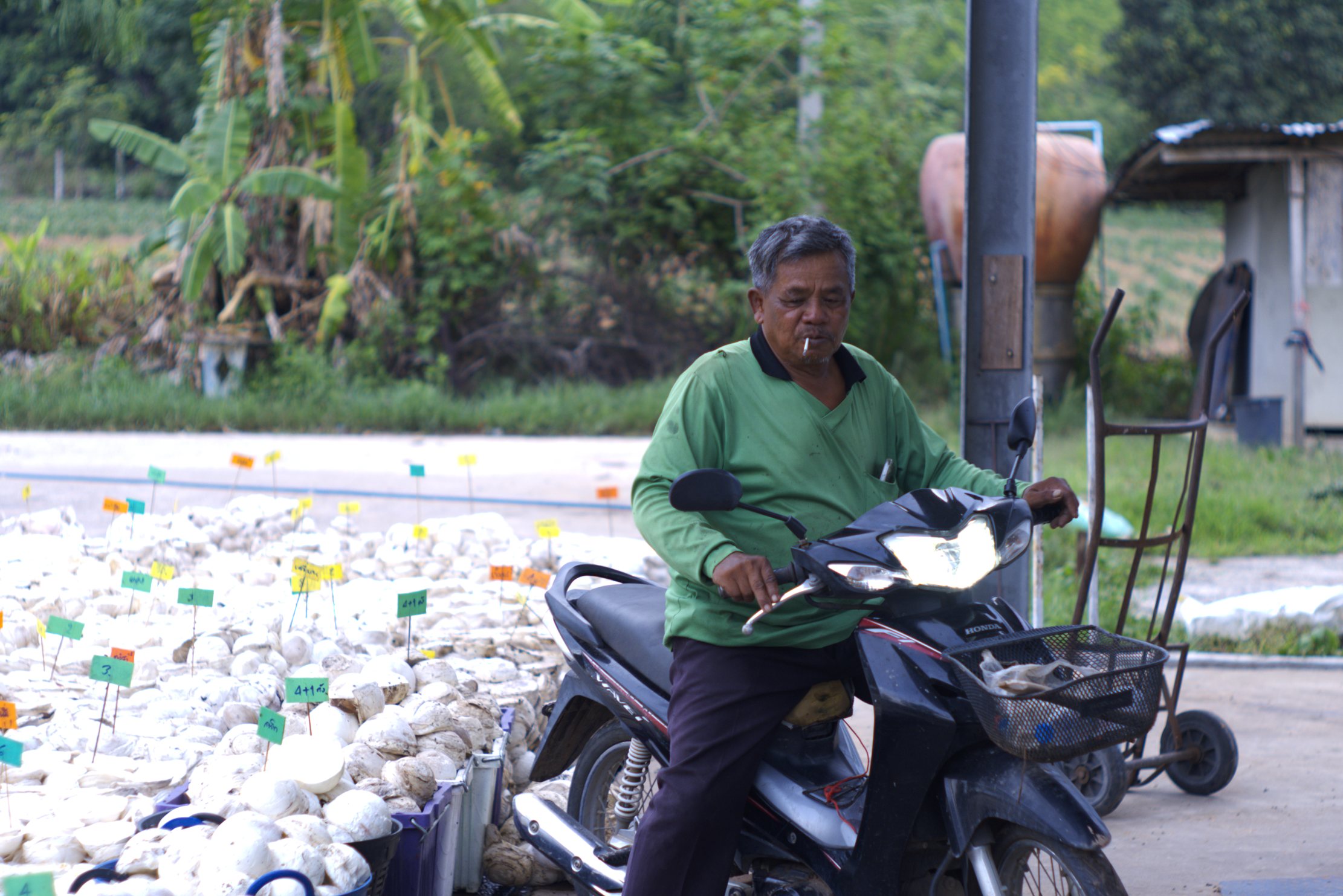
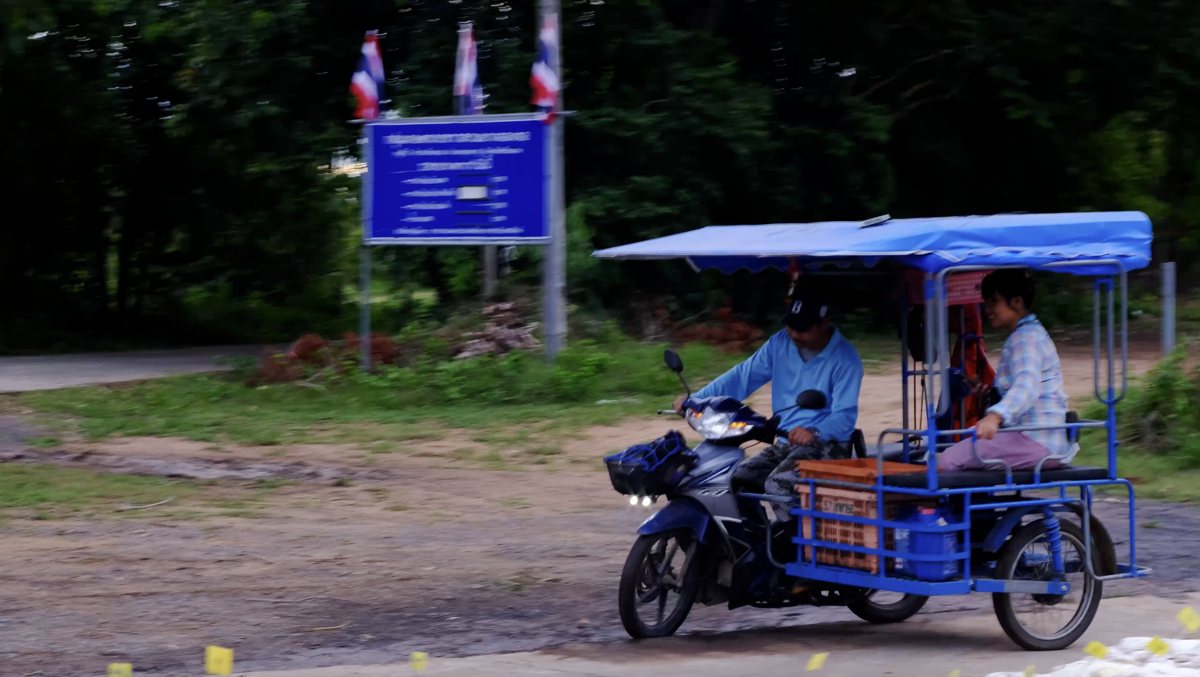
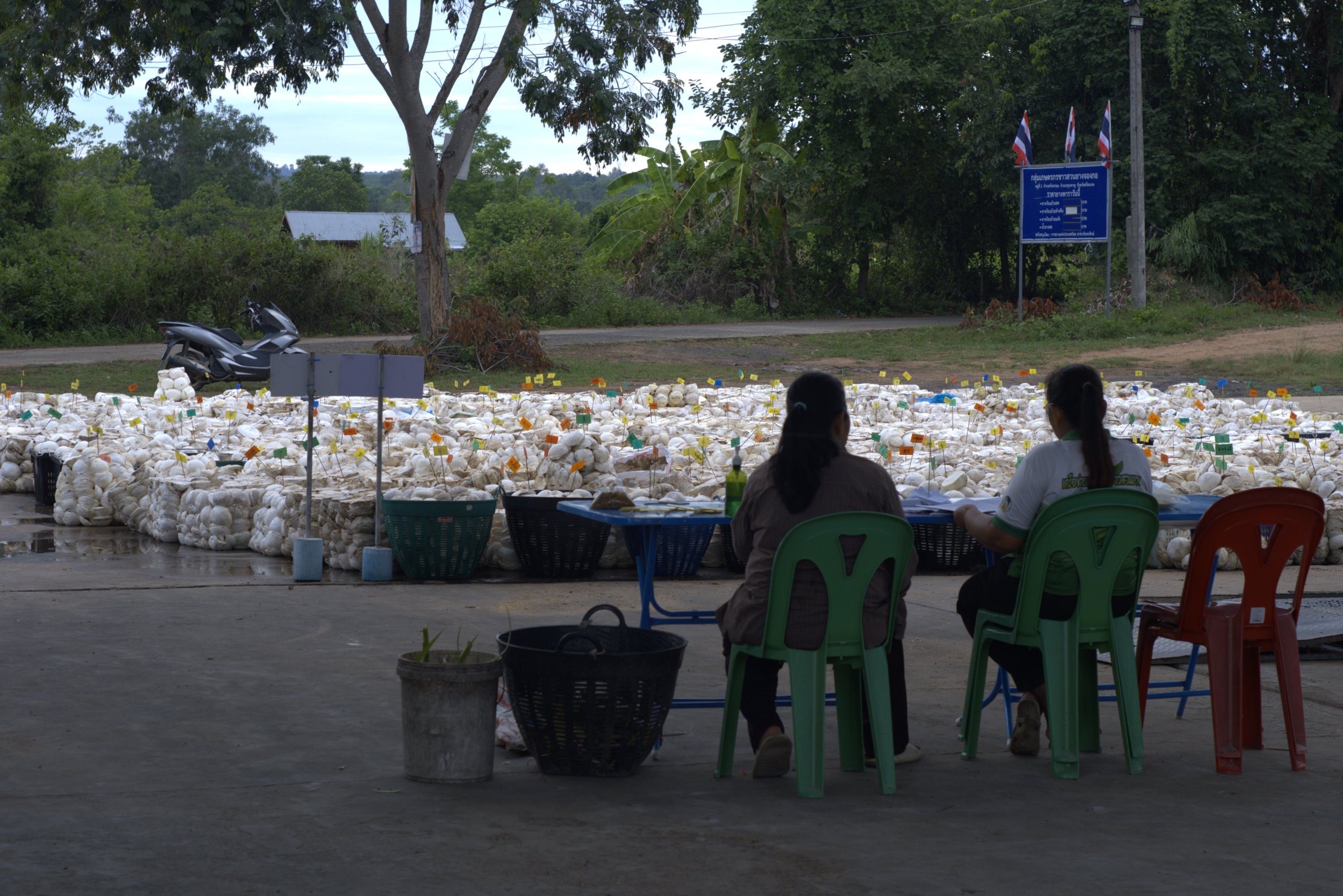
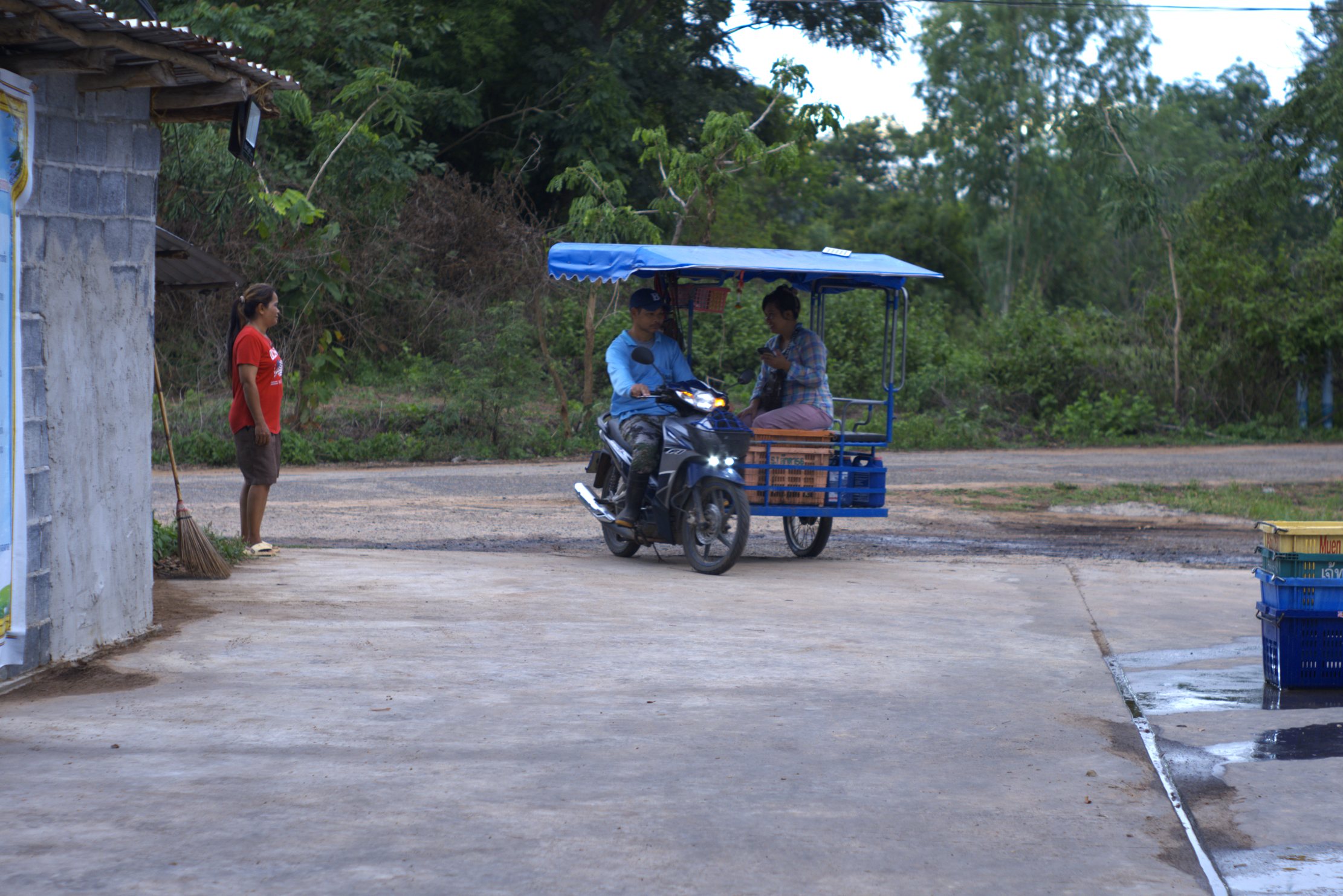
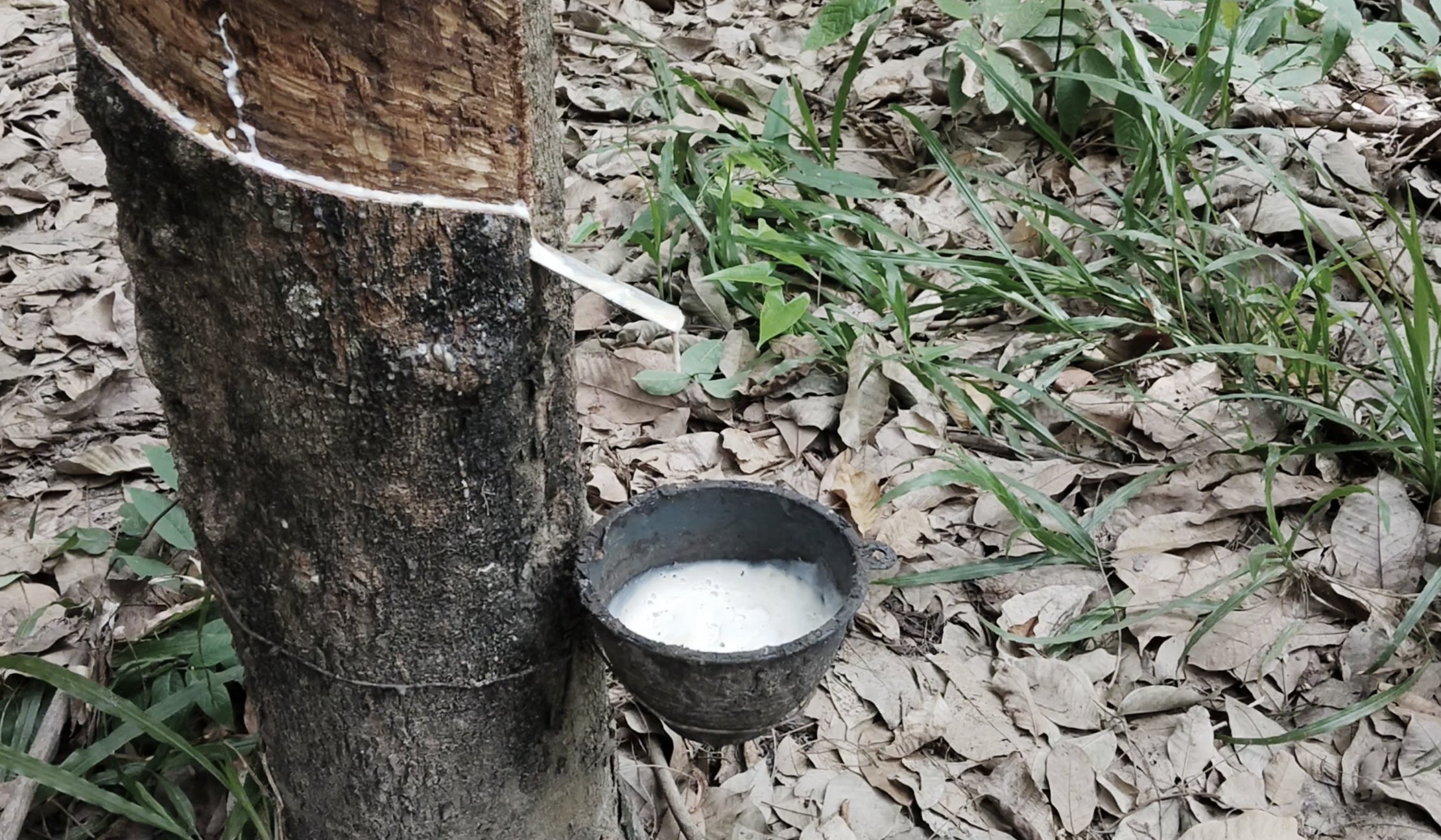
Every Thursday, villagers bring the rubber they’ve harvested during the day, or throughout the week, to one of the collection stations. We have two such drop-off points here in the village. I happened to be passing by this afternoon and stopped for a few minutes to capture a small glimpse of the process.
The box of rubber you see being unloaded by one villager in the video is worth roughly 1,000 baht, or about 32 USD. Friday, the trucks will arrive to collect the week’s harvest, and the villagers will be paid.
It’s a simple routine, repeated week after week all season long, but it marks one of the points where a global supply chain briefly becomes visible.
FROM MY HAZY VIEW
by Oscar Slamp
Concerning Developments in Village Dog Governance
An Open Letter
Yesterday, I made an off-hand remark to some of the boys who had begun congregating down at Yow’s store about something I’ve noticed lately.
The dogs appear to have divided the village into unofficial territories. Nobody knows where the borders are, including the dogs. Granted, we were on our third or fourth round of Lao Khao and my command of the Khmer-Isaan language remains questionable at best, but despite these obstacles, everyone seemed aware of the arrangement except me.
Being the only one in the village, apparently, that never got the memo – if anyone can explain how this system operates, you’re welcome to stop by. If the pink plastic chair next to the stairs is facing south, I’m home. If the chair isn’t there at all, knock anyway. Alternatively, if stopping by in person feels too sketchy, correspondence may be directed to oscar@borderdispatch.com.
For my own peace of mind, I’d very much like to get to the bottom of this before the dogs do.
Editors Note
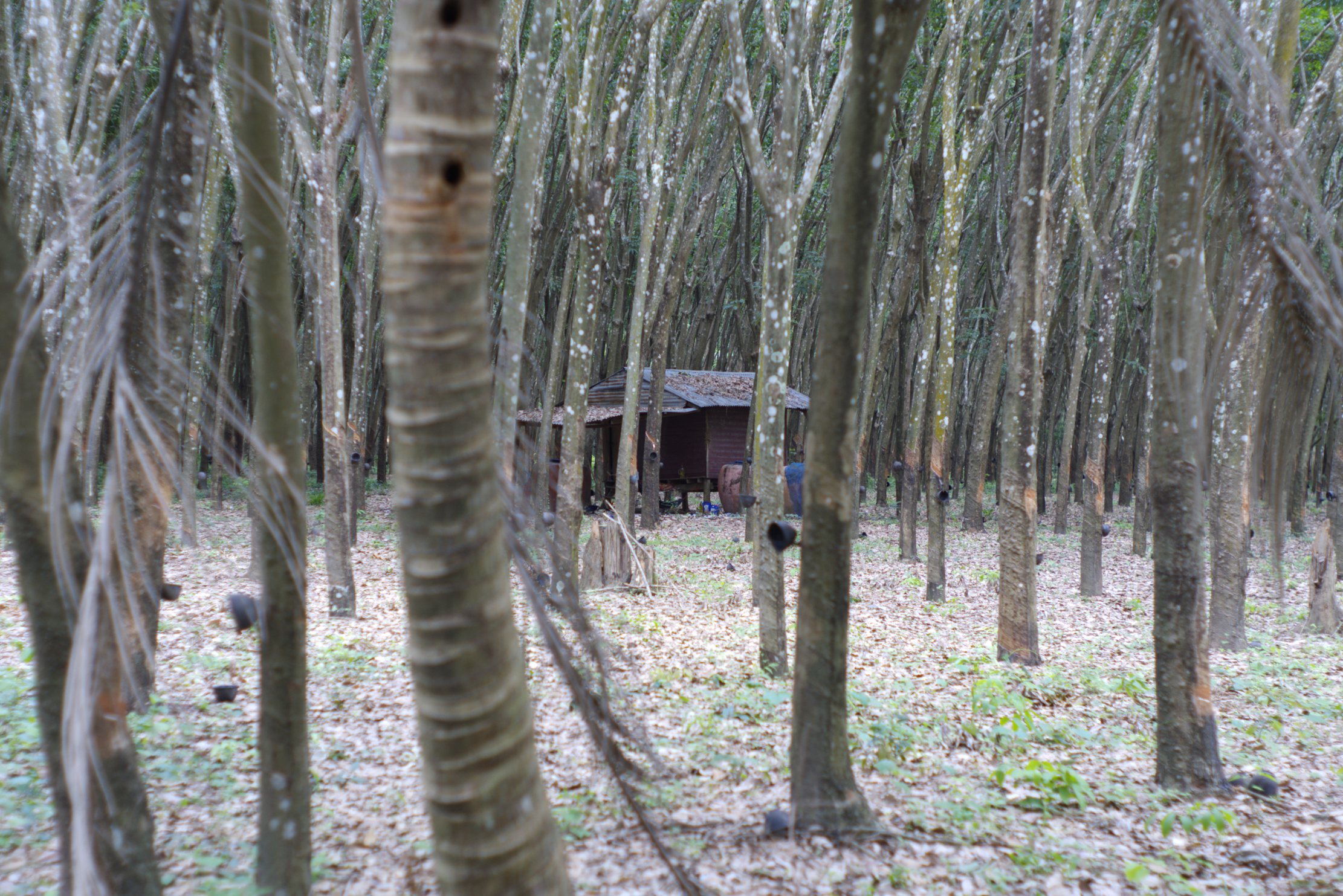
It is hard to explain just how dense the jungle is near our village. Everyone here calls it “the garden.” It begins on the southern edge of the village and stretches on for kilometers. Exactly how far, I couldn’t say. My best guess is that it runs all the way to the northern edge of another village in Cambodia’s Banteay Meanchey Province, perhaps twenty kilometers away. Whatever its true dimensions, one thing is certain: it is thick. And the farther south you go, the thicker it seems to become.
In this volume of The Border Dispatch, I’m sharing a series of photographs made during a walk just a few days ago. I left home and started walking south. About six kilometers later, my wife came sputtering around a bend in the trail on her motorbike. I hadn’t realized several hours had passed. Out there, phone signals are unreliable at best, and when I didn’t return, she understandably became concerned.
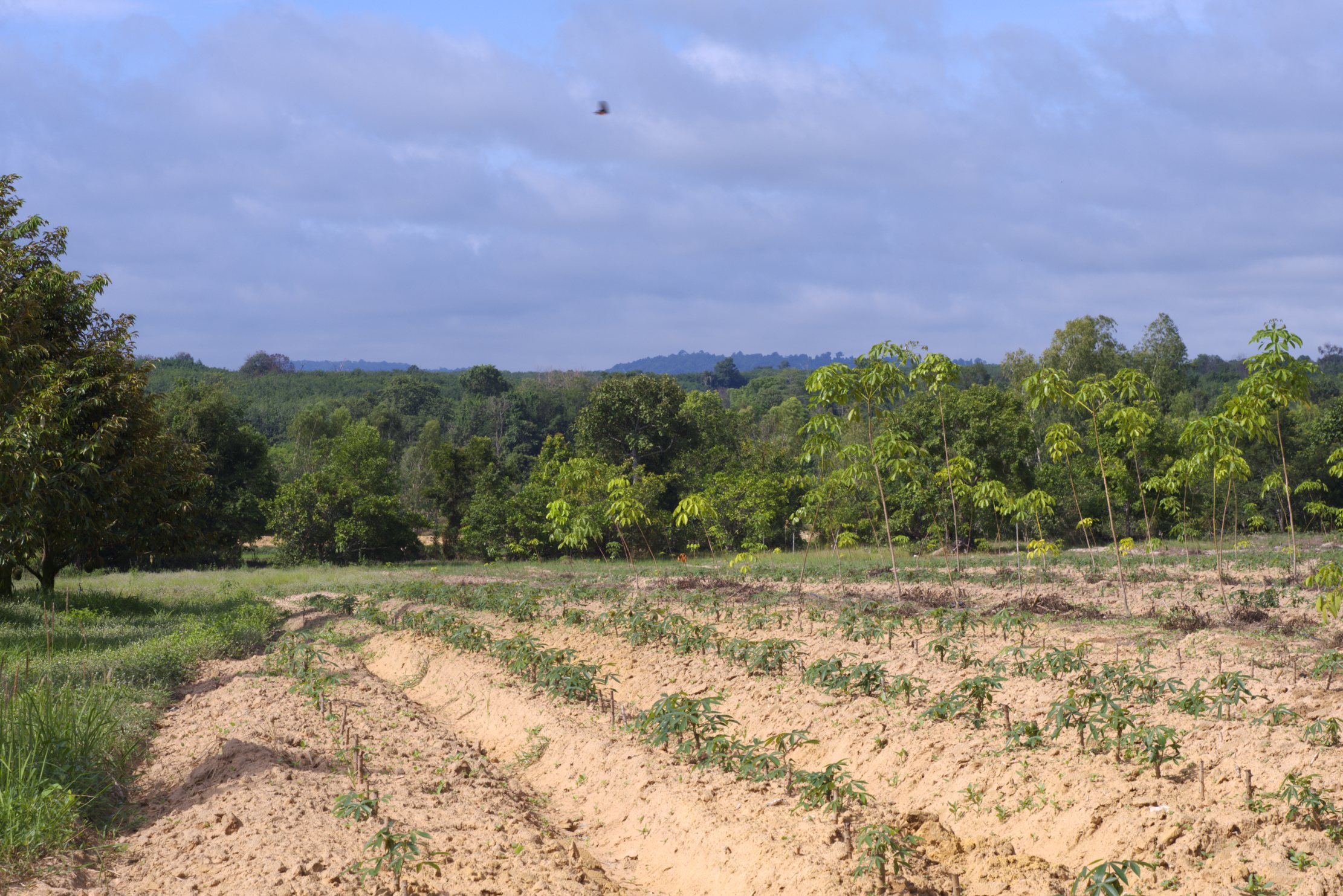
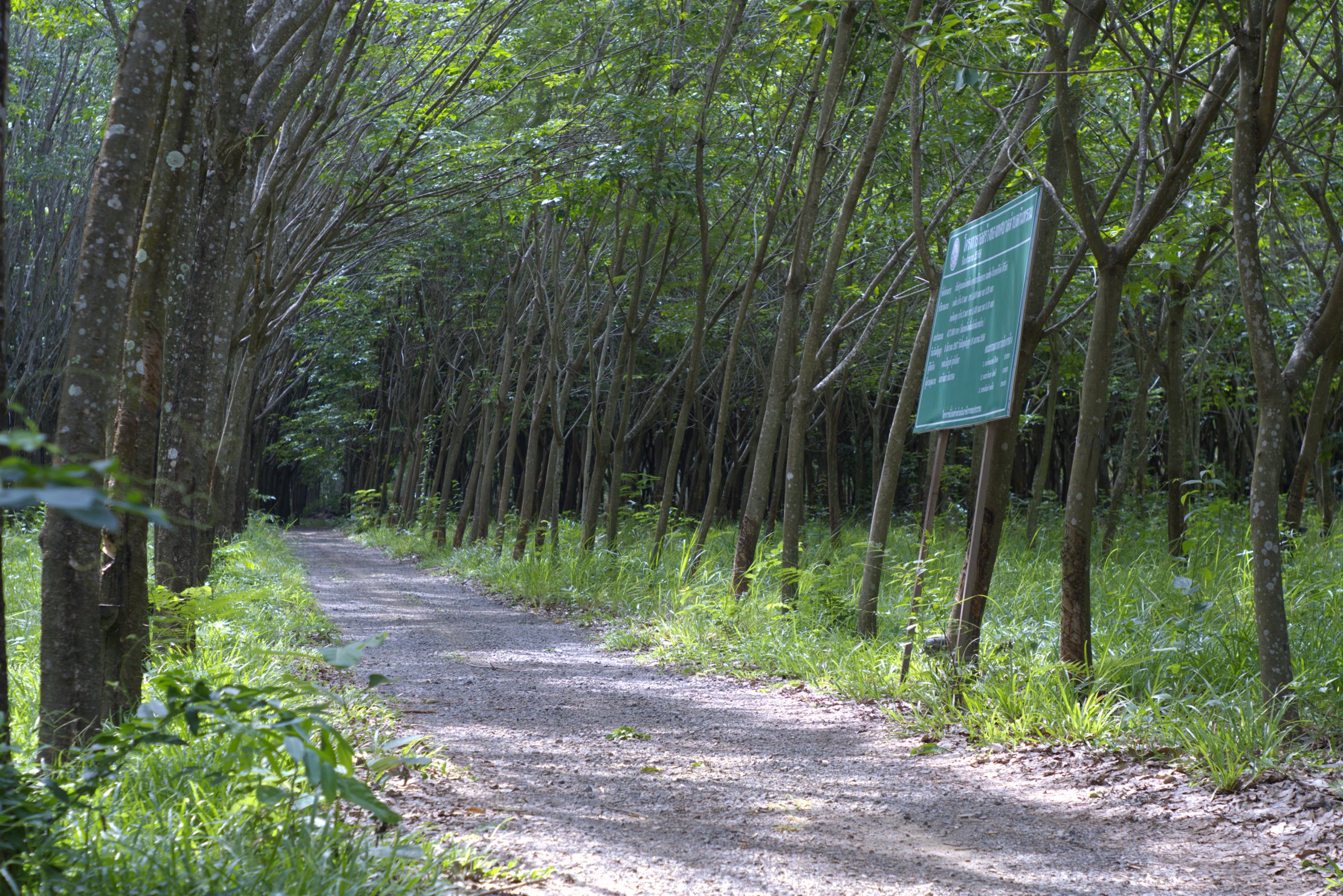
The subscriber images in this edition capture at least a small part of the area’s density. Winding through rubber groves, patches of cassava, and stretches of jungle that seem determined to swallow the horizon, the landscape feels both beautiful and disorienting. It is remarkably easy to lose your sense of direction. More than once, it felt as though I had wandered into another world.
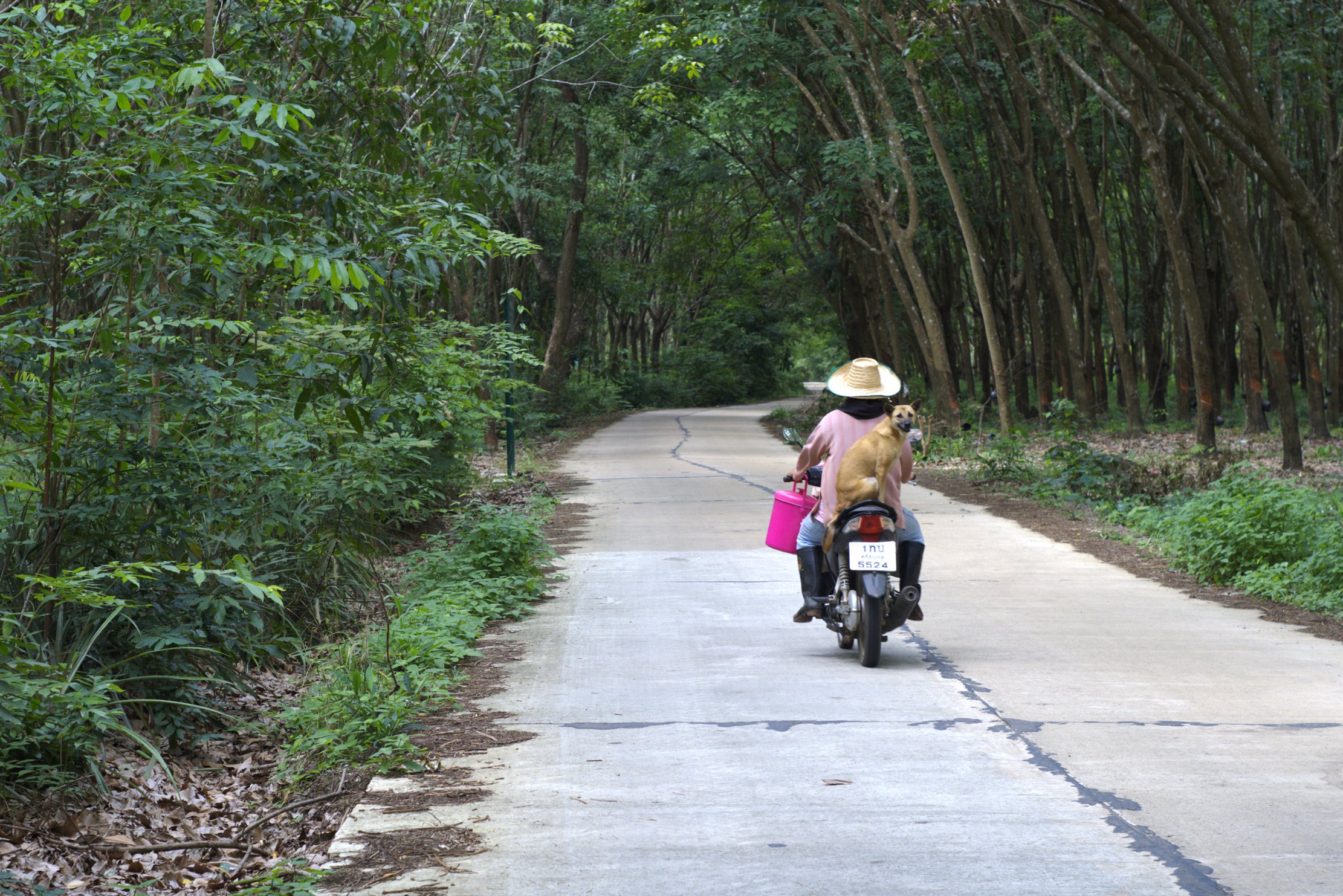
If any of these photographs speak to you, drop me a line. I’d be happy to arrange a printable copy. Personally, I think that right-place-right-time image of the dog riding comfortably on the back of a motorbike might look pretty good on someone’s wall.
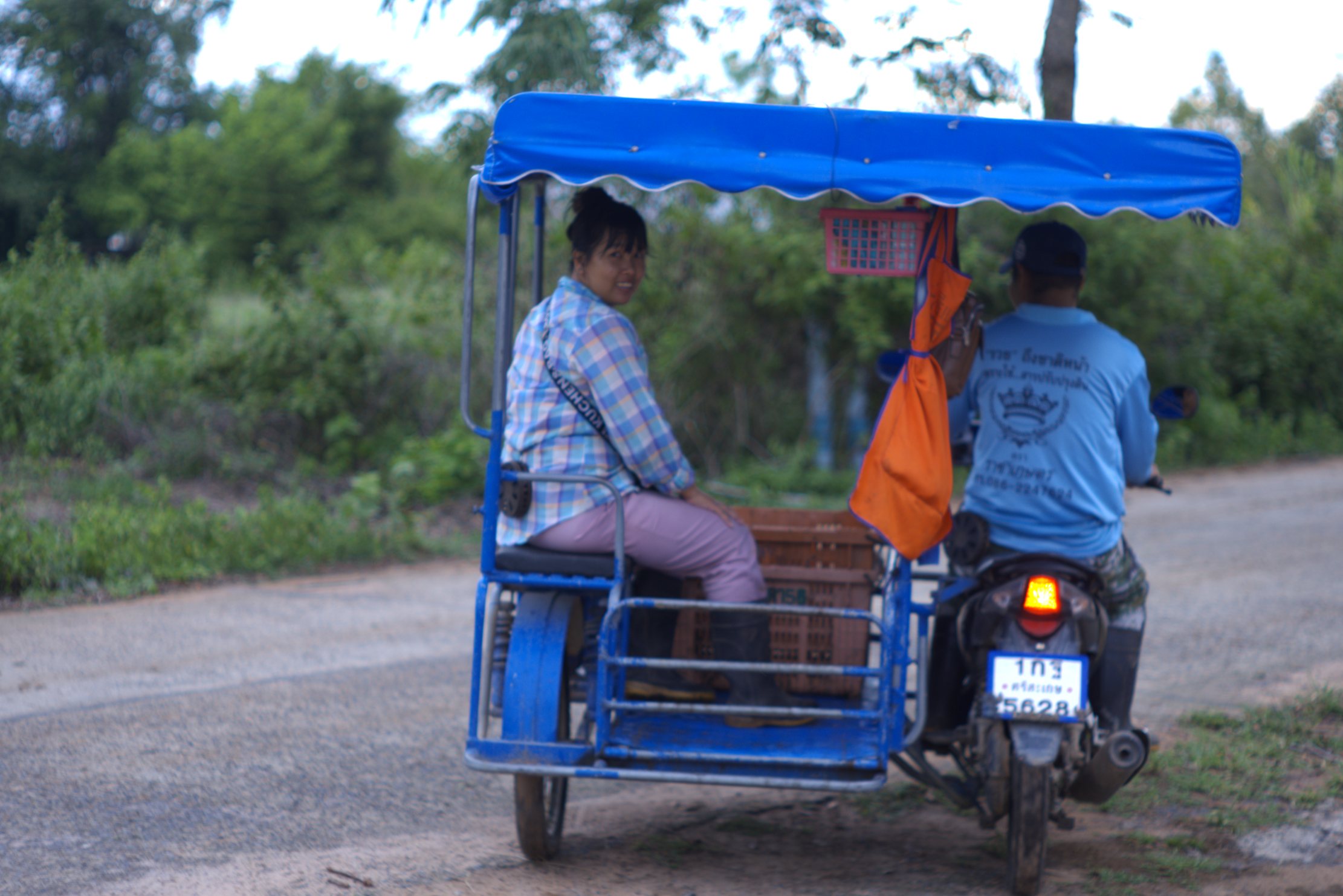
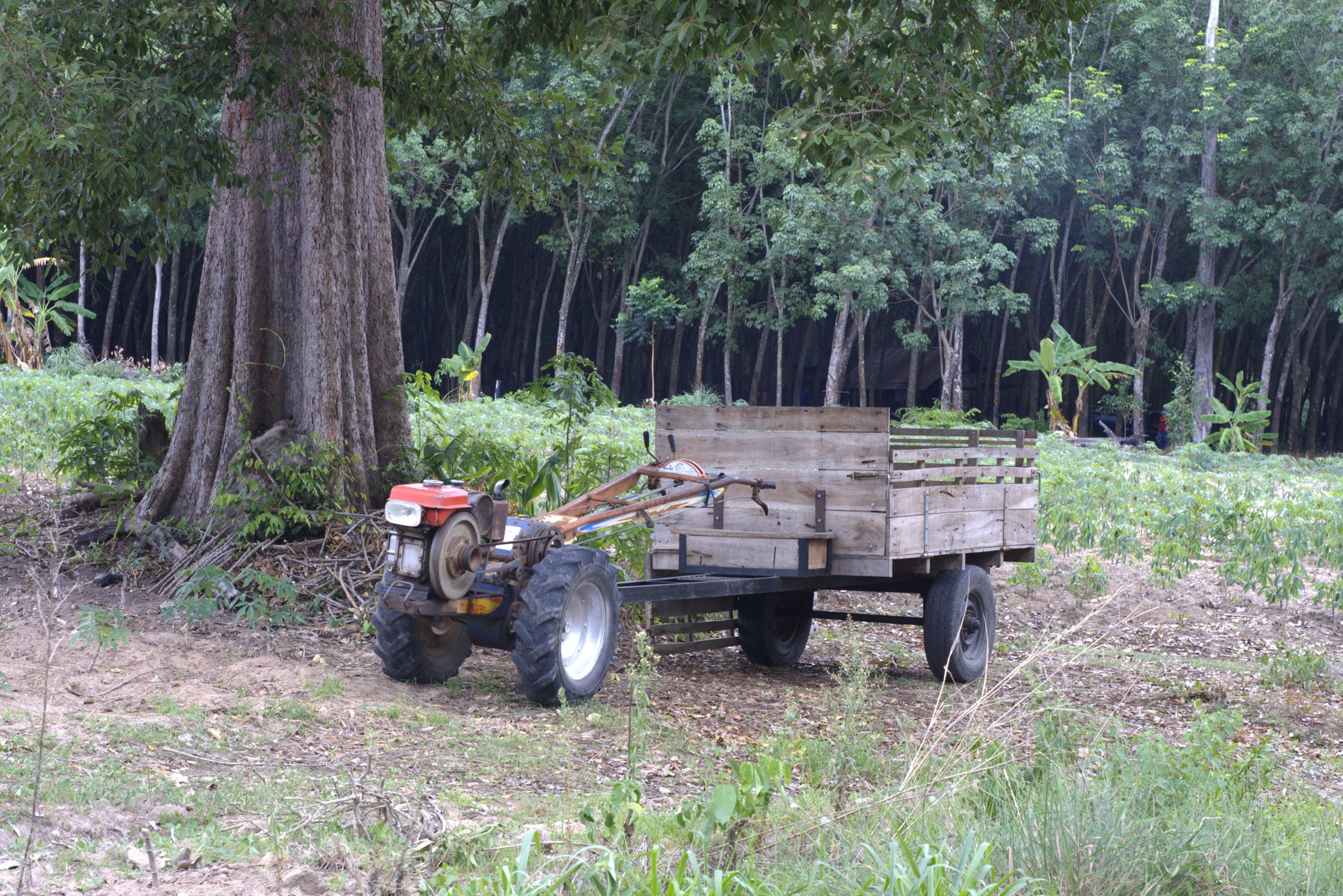
Rubber tree groves, cassava fields, dense jungle trails, and a traditional Thai farm tractor … there were no shortage of interesting things to see and experience on a recent walk through what the locals call, “the garden” – a dense patch of jungle that runs along the Thai-Cambodia border.
And that dog! Just as comfortable as it could be perched on the back of that motorbike.